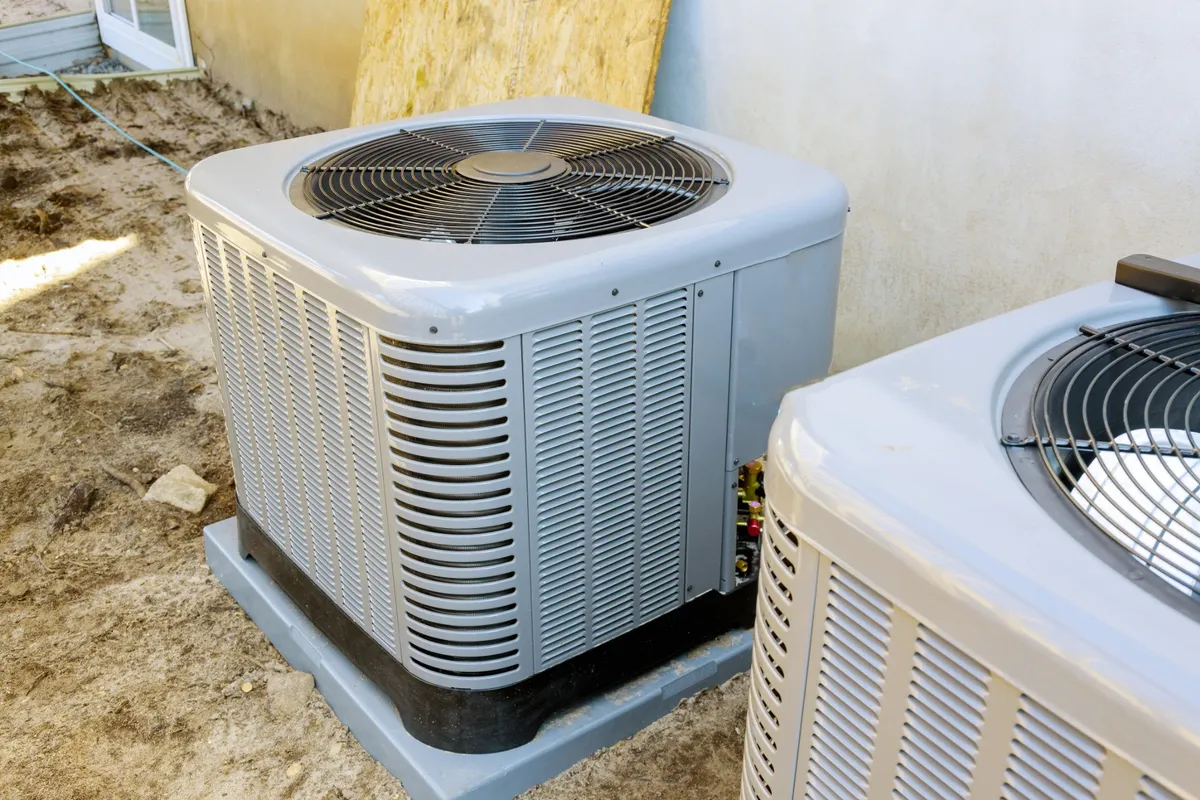
For an existing home air conditioner in Waterloo, note whether it starts, moves air and cools, and whether the problem affects one ductless head or several rooms. Airflow, drainage and component faults call for different inspection questions. Use the system type and service history to compare the proposed repair.
Does the cooling problem affect every area, or only one room or ductless zone?
Air-conditioning repair begins by establishing whether the system starts, moves air, and cools as expected, and whether the issue affects one zone or the whole property. Central air and ductless mini-splits have different layouts and components, so the system type changes which observations matter. Record when the problem occurs, any unusual sound or water near indoor equipment, and recent service history. These details help distinguish an airflow or drainage concern from an electrical, refrigerant, or component fault.
The assessment should identify the system type, operating symptoms, and any error indication, then inspect relevant airflow, electrical, coil, and condensate components. Refrigerant checks require appropriate service procedures and must not be handled by occupants. A diagnosed repair can be compared with the unit's condition and repair history to decide whether continued repair or replacement merits consideration.
Central air and ductless mini-split repair
Cooling, airflow, electrical, coil, and condensate faults
Refrigerant inspection and repair-versus-replacement decisions
Assessment and Scope
Questions for the Proposed Work
01
Compare symptoms across the system
Record whether the unit will not start, runs without cooling, makes a new noise, or cools unevenly. With central air, symptoms across several rooms may lead to checks of shared equipment and airflow; with a ductless system, a problem limited to one head may point toward that zone. The distinction helps focus inspection rather than treating every warm room as the same equipment failure.
02
Trace the fault before choosing a repair
A cooling problem can involve electrical components, coils, airflow, condensate drainage, or refrigerant-related conditions. Inspection findings matter because a blocked drain and a failing compressor require very different work. If the fault is repairable, the component condition and past service record help frame that choice. Extensive deterioration or recurring major faults may instead make replacement an option to compare.
03
Use service history to plan maintenance
Maintenance findings may include coil condition, airflow, drainage, controls, and electrical connections, as specified by the equipment instructions. A record of prior leaks, shutdowns, or repeated component failures can clarify whether a current symptom is isolated or recurring. Keep the outdoor and indoor model information available where possible; refrigerant-side work and internal electrical checks should be left to qualified service personnel.
Compare the next step
Separate the current fault, available repair, and full replacement design in the discussion. Ask which existing indoor components can remain and what compatibility or refrigerant considerations affect the choice. Compare the scope and limitations of each option using the same desired cooling outcome and written equipment information.
Do not open electrical panels or handle refrigerant. If ice, water near electrical equipment, or abnormal operation is present, stop using the affected system and request an assessment.