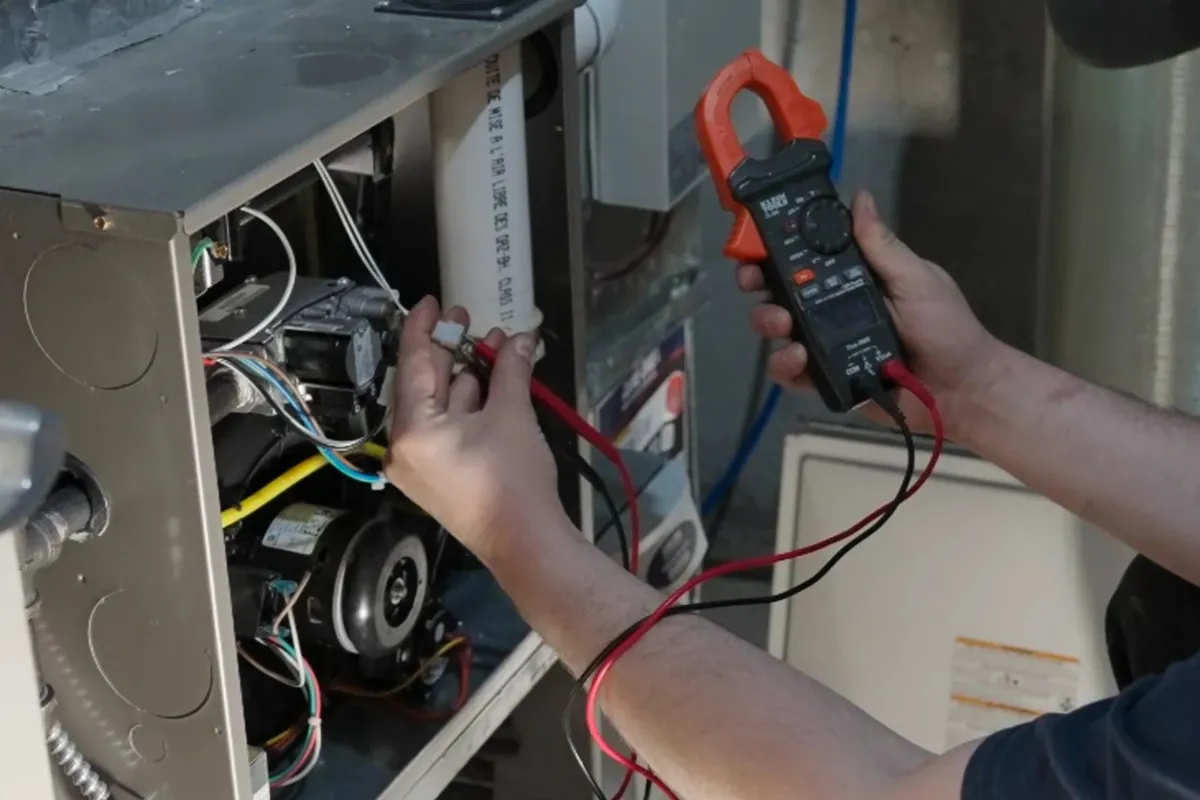
Request furnace repair for a property in Waterloo. Include the equipment, the problem or planned work, and your location so the request can be reviewed.
What does the furnace do when it fails to start or heat the rooms?
Furnace repair starts with identifying what the equipment is doing and when the problem occurs. A failure to ignite, unusual noise, uneven heat, and repeated shutdowns can point to different components and call for different checks. Fuel type and furnace design also matter: a diagnosis for an oil-fired unit may differ from one for a gas or propane model. Share the model information, recent service records, and any changes in operation so the assessment can distinguish a repairable fault from a broader replacement concern.
The assessment should record the fuel, furnace type, fault history, and any displayed error information, then compare those observations with safe operating checks. Ignition, burner, control, airflow, or thermostat-related findings can lead to different repairs. Prior repairs and the condition of major components help determine whether a targeted repair is reasonable or replacement should be considered.
Gas, propane, and oil furnace repair
Ignition, airflow, burner, and control faults
Furnace maintenance and repair-versus-replacement assessment
Assessment and Scope
Questions for the Proposed Work
01
Start with the symptom and furnace type
Note whether the furnace fails to start, starts and stops, makes a new sound, or leaves particular rooms cooler. The timing and pattern can help separate an ignition or burner fault from an airflow or control problem. Record the fuel and model if available; gas, propane, and oil furnaces have different combustion and fuel-delivery arrangements, so their diagnosis and repair scope are not interchangeable.
02
Repair findings guide the next decision
Inspection findings identify whether a specific component can be repaired or whether several aging components affect the decision. A single diagnosed fault may support a targeted repair, while repeated breakdowns, unavailable parts, or broader deterioration can make replacement worth evaluating. For a high-efficiency furnace, the venting and condensate arrangements are part of the equipment, so compatibility and condition matter when planning either repair or replacement.
03
Maintenance follows the equipment instructions
Maintenance checks may include filters, airflow, burners, controls, and the thermostat, with the exact work guided by the furnace model and inspection findings. Service records can show whether a symptom is new or recurring and whether earlier repairs addressed its cause. Keep notes about changes in sounds, heating patterns, or shutdowns; do not open fuel or electrical compartments or attempt to adjust combustion or safety controls.
Compare the next step
Ask for the present condition and repair option to be documented independently of a future replacement quotation. Compare available repair, related safety findings, expected household plans, and proposed new equipment sizing. Retain the findings so later decisions can build on evidence rather than an age-based sales recommendation.
Leave burner, fuel, venting, electrical, and internal equipment work to a qualified contractor. Do not bypass a safety switch or repeatedly reset a furnace.