Ontario weather does not do gentle transitions. Weeks of humid heat give way to months of hard freezing, and your HVAC equipment carries a Waterloo house through both. A maintenance calendar built around that rhythm is simple: the air conditioner gets attention in spring, the furnace gets attention in fall, and nothing heads into its busy season untested.
Small Jobs Between Professional Visits
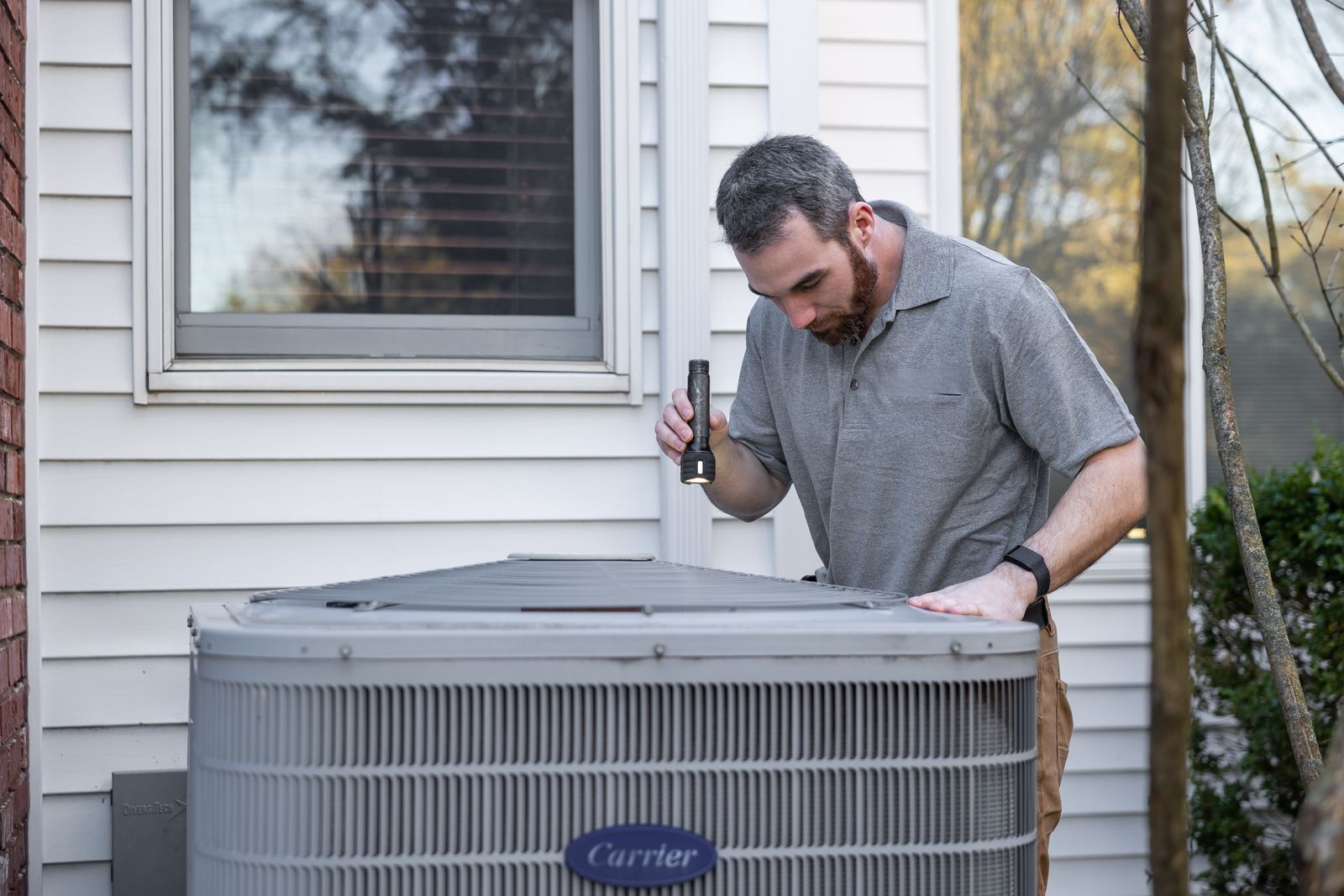
The two annual appointments do not cover everything, and the gaps are where homeowners earn their keep. Filters top the list: monthly checks, replacement every one to three months, sooner in a busy or furry household. Outside, keep the condenser unit clear of leaves, long grass, and stored items, and wash dust off the fins gently with a hose. Inside, hold reasonable thermostat settings instead of cranking them, and keep the area around the furnace free of boxes so airflow and service access stay open.
The Ideal Service Schedule in Ontario
In a climate with a real winter and a real summer, servicing HVAC equipment twice a year makes the most sense: once in spring before the air conditioner starts its season, and once in fall before the furnace takes over. That is the minimum, not a bonus.
The fall appointment matters because heating season is long and unforgiving, and you want the furnace inspected before it matters. The spring appointment matters because the air conditioner sits idle for months and needs cleaning and testing before the first hot stretch. Two visits, evenly spaced, and neither season catches you unprepared.
Why Maintained Systems Outlast the Rest
Equipment age is less about the year on the label and more about how the years were spent. A furnace or air conditioner that is cleaned, tested, and adjusted twice a year faces less friction, runs cooler, and cycles less violently, so its components age slowly. The same model, neglected, runs hot and hard, and its parts wear on an accelerated schedule.
The result shows up in service life and in repair frequency, where maintained systems rack up far fewer urgent calls. Book the spring and fall visits, keep the invoices, and let the equipment repay you for years.
Small Problems Are Cheap. Ignored Ones Are Not.
During a typical maintenance visit, a technician might find a loose wire, a worn contactor, a slow refrigerant leak, or a heat exchanger just starting to crack. Caught early, each one is a routine fix at a routine price. A heat exchanger issue found at a fall visit is a planned repair with options; the same issue found in February is a no-heat call at the worst possible rates.
The underlying repair rarely changes. The timing, and the urgency premium attached to it, changes everything.
Cleaning, Testing, and the Safety Checks That Matter
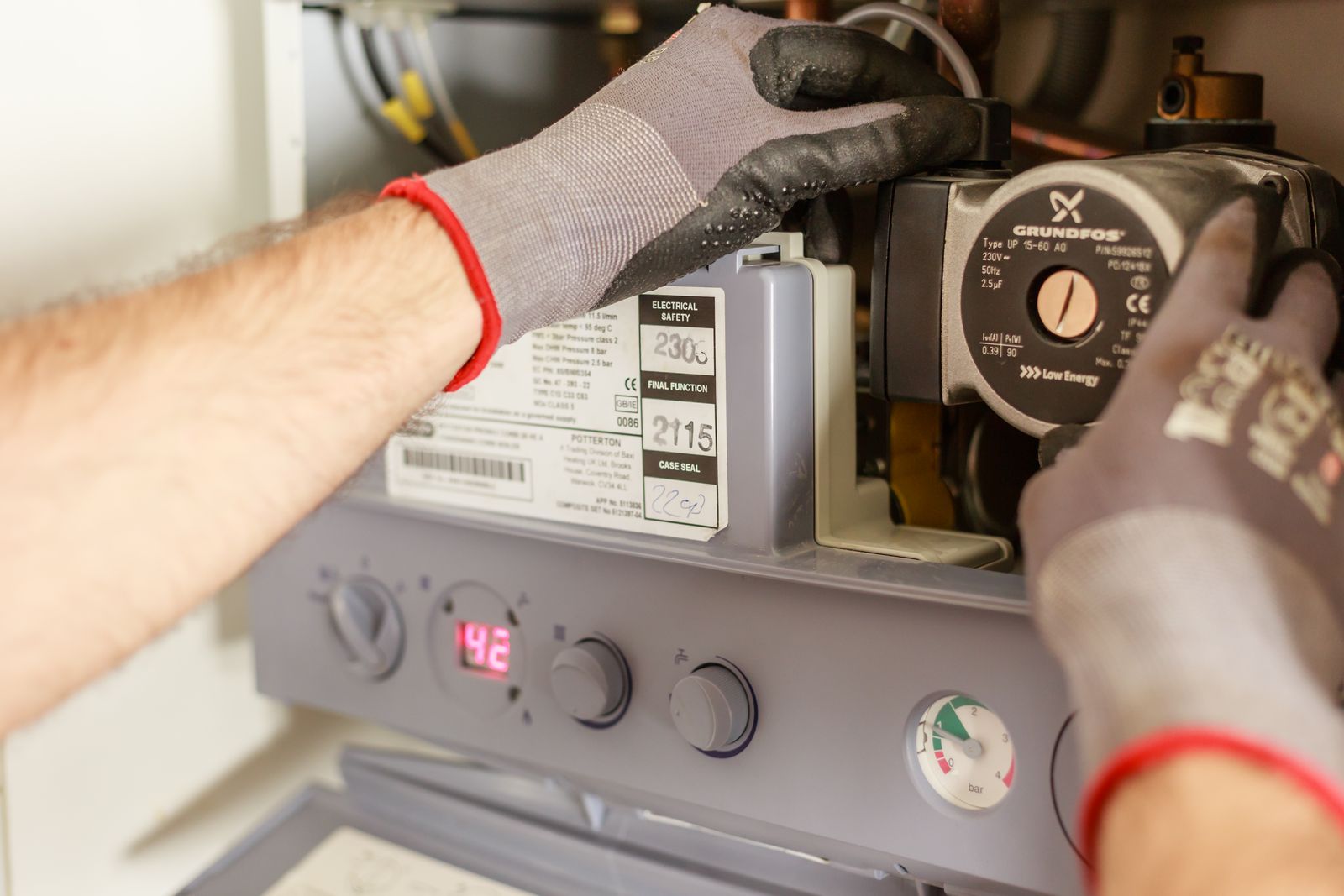
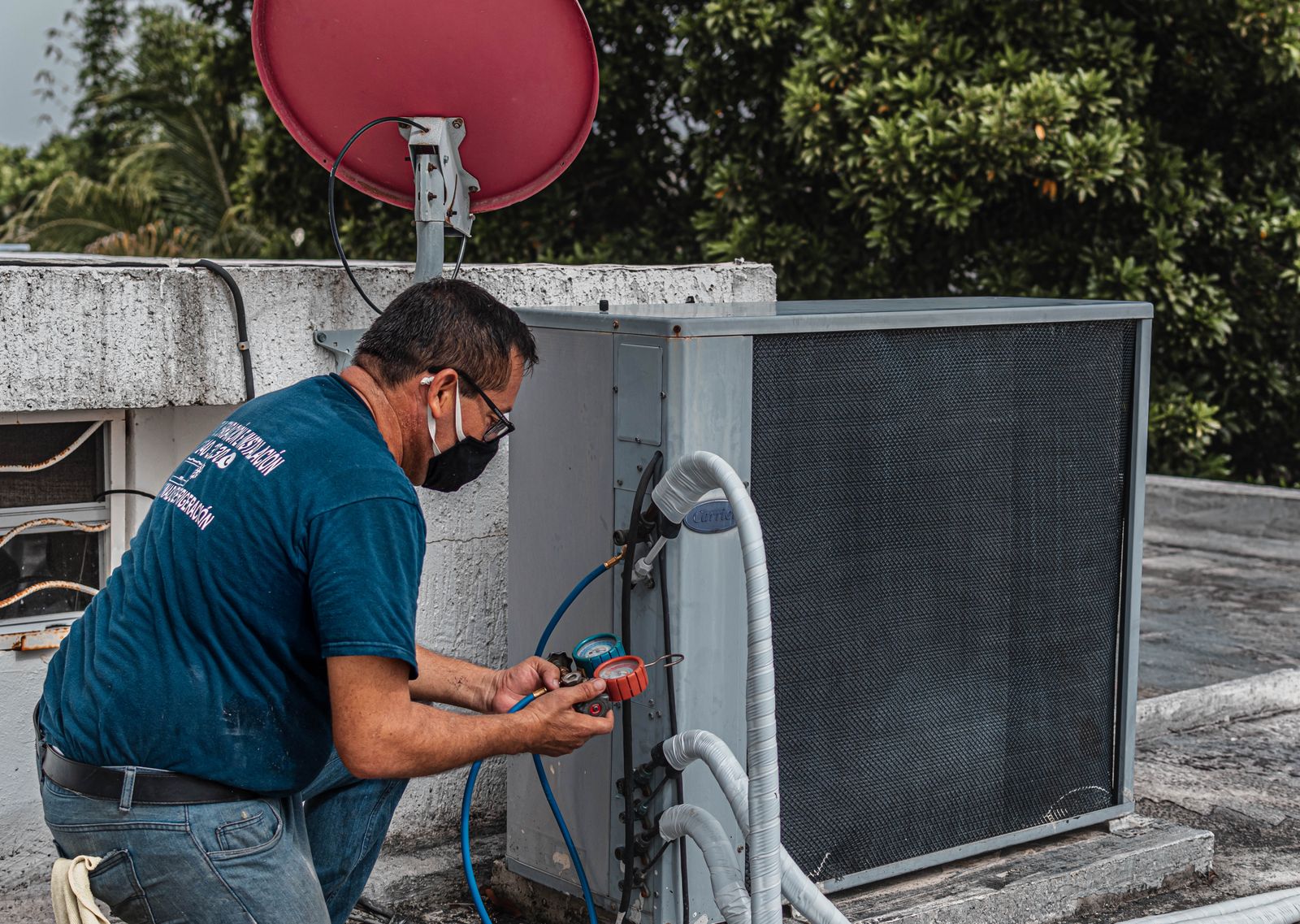
Maintenance breaks into three kinds of work. Cleaning: coils, burners, and the outdoor unit, because dirt is what drives up run times. Testing: refrigerant charge, gas pressure, ignition, electrical connections, thermostat accuracy, and airflow at the vents. Safety: a heat exchanger inspection and a combustion check that catches carbon monoxide risks before they become emergencies.
The filter gets replaced at every visit as a matter of course. You leave with a system that has been cleaned, measured, and adjusted rather than simply glanced at.