Most homeowners call about their furnace at one of two moments: when something seems off, or when the house has already gone cold. The first moment is always cheaper. This guide walks through the five warning signs worth acting on, what each one tends to mean, and how quickly each deserves a professional opinion rather than a wait-and-see approach.
What Happens During a Repair Visit
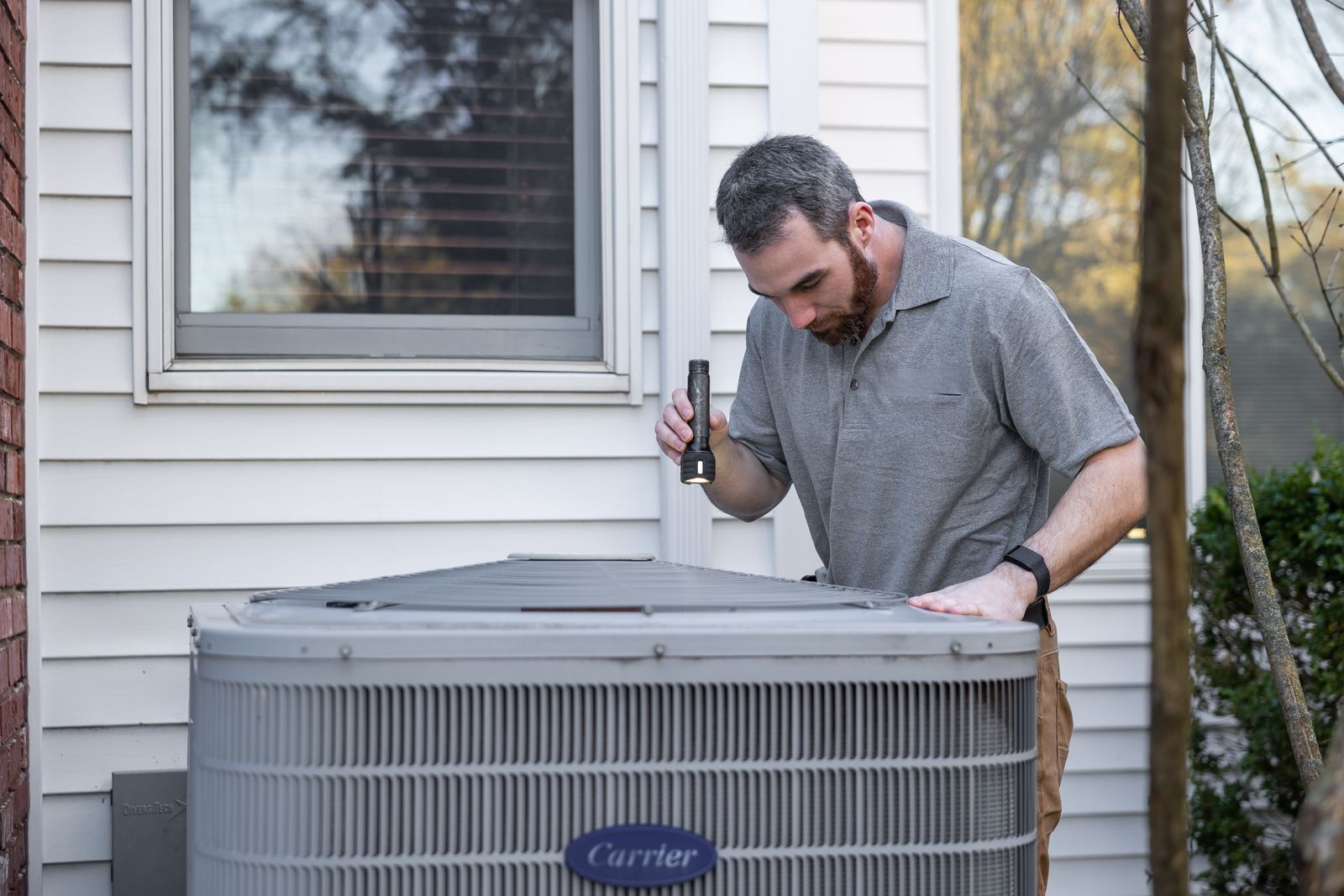
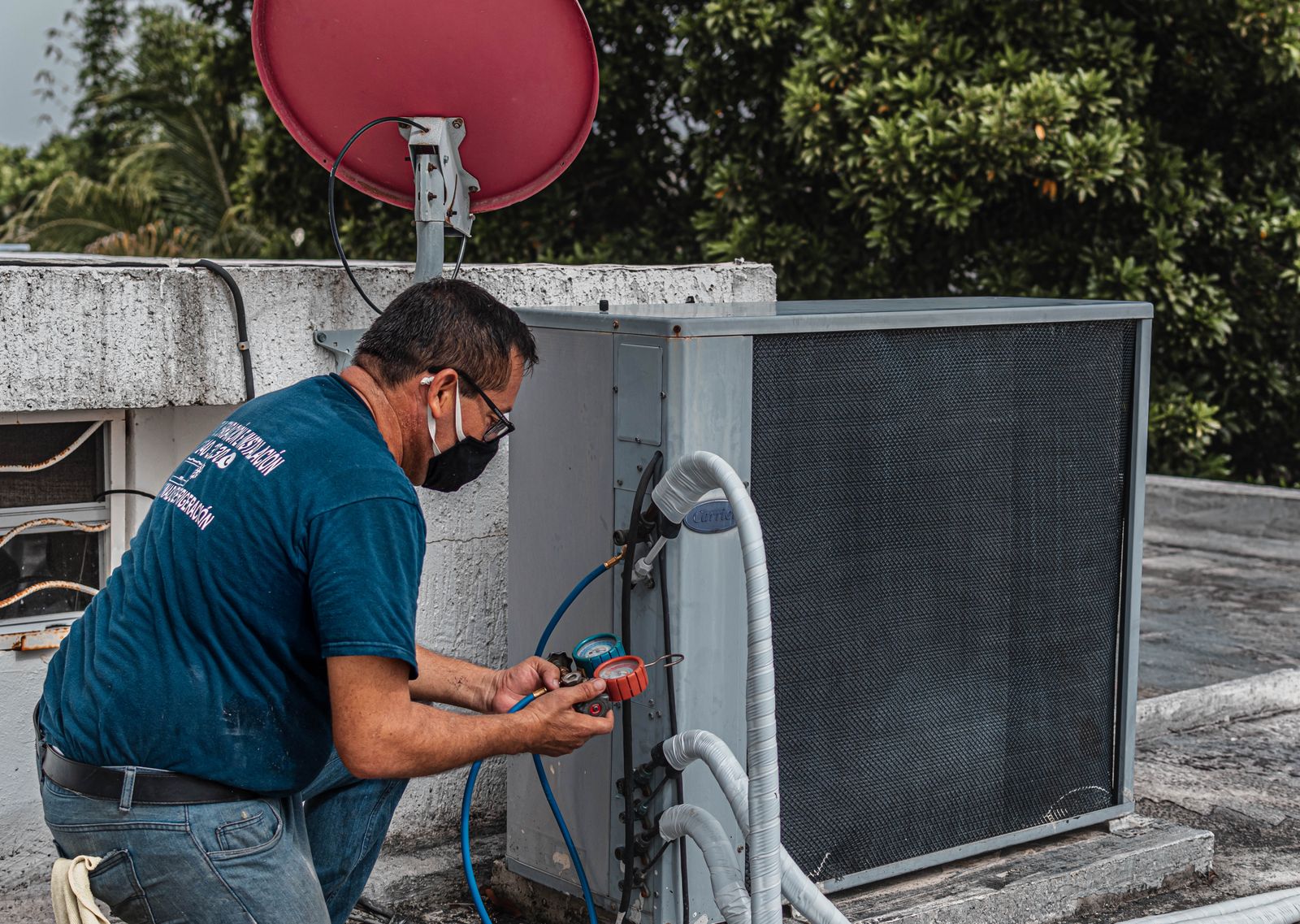
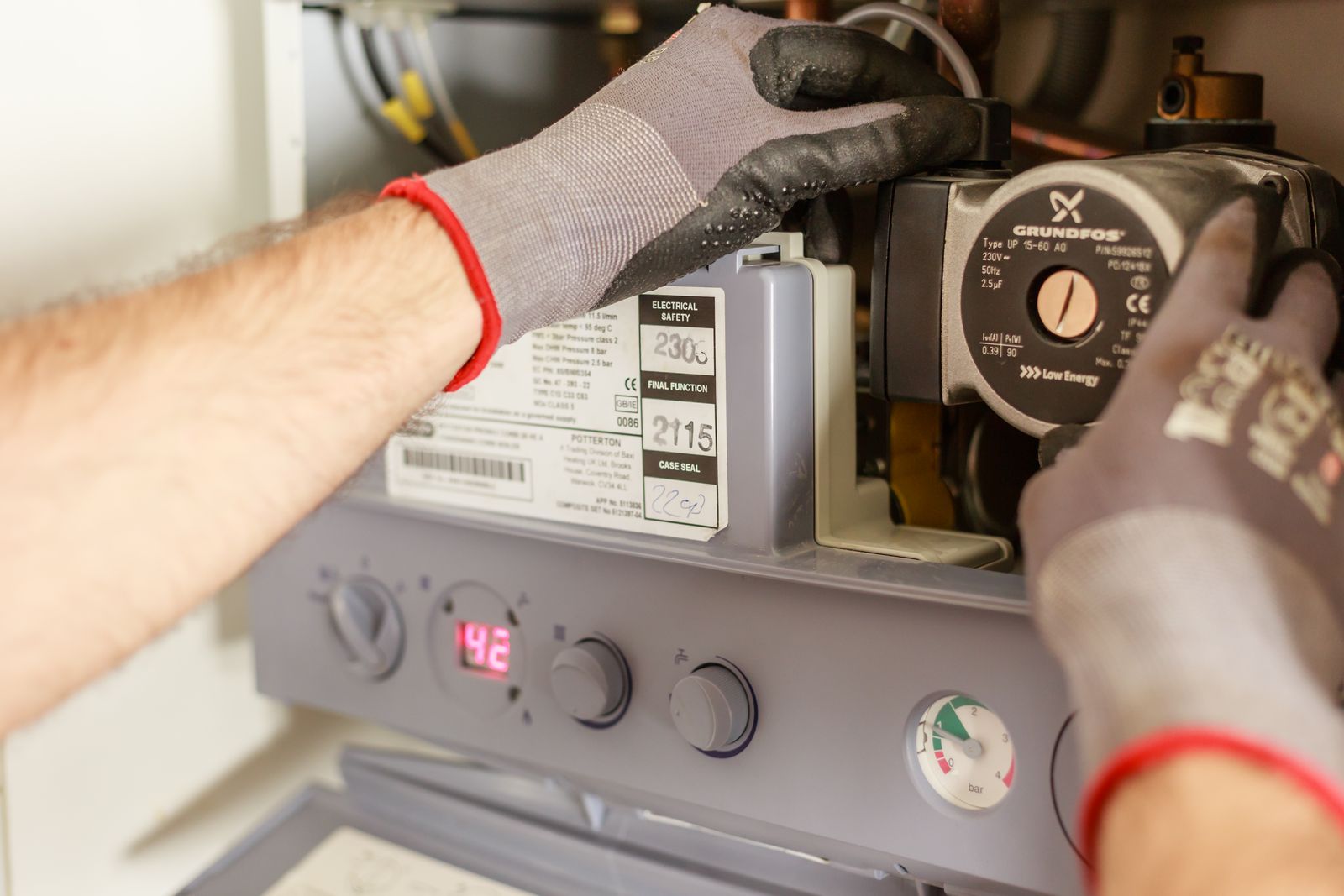
Expect a combustion test, a heat exchanger inspection, burner and flame sensor checks, an airflow measurement, a thermostat test and a carbon monoxide check at the registers. A good technician explains each finding as it happens, shows you the part if a part is the problem, and quotes firm prices whether the fix turns out to be a ten-minute adjustment or a full repair. Homeowners in Waterloo deserve that much clarity before opening the chequebook.
Cost and Behaviour, Read Together
Rising heating costs. An inefficient furnace is a slow leak in the budget. When airflow drops or combustion gets dirty, the burner runs extra hours each week to hold the same temperature, and those hours are billed at current rates. Frequent cycling. Listen for a furnace that starts, runs briefly and shuts off, only to repeat a few minutes later. A dirty filter, a misbehaving thermostat or a tripping limit switch is usually behind it, and the start-stop pattern is hard on igniters, relays and the heat exchanger. One symptom drains the wallet, the other drains the equipment.
Listen to How It Runs
Strange noises during startup or run cycles. A healthy furnace is close to quiet, so new sounds deserve attention. Screeching or grinding usually points to blower motor bearings or a worn belt, and metal-on-metal wear gets worse fast. Rattling often means a loose panel, screw or duct part vibrating with the blower. Repeated clicking at ignition suggests a flame sensor or ignition problem. None of these sounds fix themselves, and each one names the part likely to fail next.
Airflow Problems Wear a Disguise
It rarely announces itself as an airflow problem. Homeowners describe cold rooms, warm upper floors, or a furnace that runs forever, and the cause is often the same thing: air that cannot get from the furnace to the rooms. Leaky or blocked ducts, a clogged filter and a blower motor past its prime all cut the stream at the registers. Walk the house on a cold evening and feel each vent. Weak flow in the coldest rooms is the clue that ties the symptom to the fix, and it points straight at the ductwork or the blower.
Check the Flame Colour
Blue is healthy, yellow is a warning. The pilot or burner flame on a gas furnace should burn a clean, steady blue. Yellow or orange, especially when it flickers, means incomplete combustion, and incomplete combustion is the classic carbon monoxide concern. Venting problems and a dirty burner can both cause it, and neither is a DIY fix. Shut the unit off and arrange a licensed inspection immediately; if the house smells of exhaust or a CO alarm sounds, get everyone outside first and call from there. Acting on a flame colour this week is always safer than acting on an alarm next month.